What Is Dysbiosis?
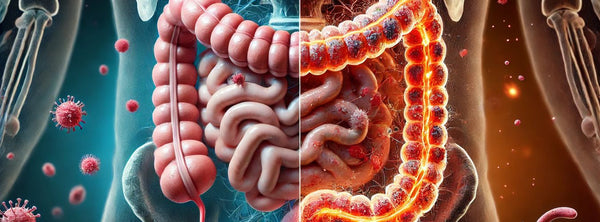
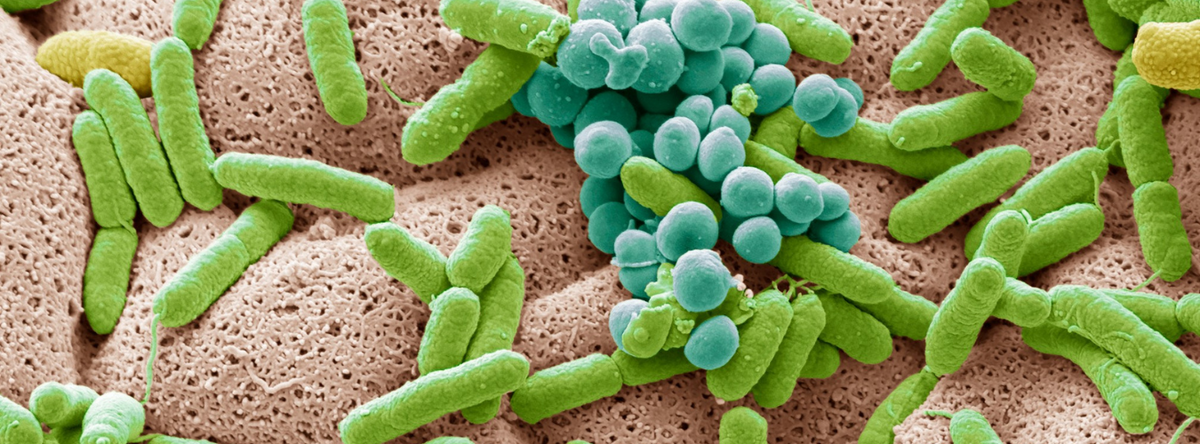
Dysbiosis has a strange name, but it is a common cause of poor health. It's actually an imbalance between the beneficial and harmful microorganisms within the body. Dysbiosis occurs when harmful organisms suppress the health providing properties of the beneficial organisms, mainly the good bacteria. The word Dysbiosis originated from the Greek's and means; dys = bad, biosis = way of living. It can occur wherever beneficial bacteria are found, including the sinuses, vagina or the intestines. Dysbiosis can be the underlying cause of many health problems and left unchecked can lead to digestive, mental, immunological and cardiovascular health complications. Harmful microorganisms include; bacteria, parasites, worms, viruses, fungi, protozoa and amoeba.
Alternatively, 'Symbiosis' (also originating from the Greek's; meaning companionship) occurs when the beneficial organisms in the body live and work together for their mutual benefit, creating the seeds of exceptional health. Symbiosis has far-reaching effects within the body and is essential for digestive, cardiovascular, immune and cognitive vigour.
What Causes Dysbiosis?
What leads to the overgrowth of harmful organisms can vary from person to person, and can be from multiple causes. Below is a list of some of the more common causes generally associated with Dysbiosis.
|
|
|
|
||
|
|
|
|
|
|
|
||
|
|
|
|
|
|
|
|
|
|
|
|
|
|
Harmful Organisms Found In Dysbiosis
While there are potentially thousands of harmful organisms that can cause or contribute to Dysbiosis, the list below highlights some of the more common varieties know to cause digestive discomfort, immune suppression and disease.
|
|
|
|
|
|
|
|
|
|
|
|
|
|
|
|
|
|
Signs And Symptoms Of Dysbiosis
Not everybody with Dysbiosis suffers the same array of signs and symptoms. One person may have many symptoms, whilst another only a few. The ones listed below are some of the more common health ailments associated with Dysbiosis.
|
|
|
|
|
|
|
|
|
|
|
|
|
|
|
|
|
|
|
|
|
|
|
|
|
|
|
|
|
|
|
|
|
|
|
|
|
|
|
|
|
|
|
|
|
|
|
|
|
|
|
|
|
|
|
|
|
|
|
|
|
|
|
Why Is Dysbiosis Bad For Health?
Hippocrates, the father of medicine, famously said over 2000 years ago that "all disease begins in the gut, heal thy gut". This makes sense as over 2kg of beneficial bacteria inhabit the intestinal tract, which makes up the microbiome and approximately 70% of the body's immune system. These bacteria are responsible for eliminating harmful pathogens, the allergy-causing antigens, lowering inflammation, strengthening immune health, maintaining healthy digestion and providing nourishment for the intestinal cells.
Did you know that the enteric nervous system, the largest gathering of nerves outside the brain, is located in the intestinal tract? Or that 90% of the body's happy brain chemical, serotonin, is stored in enterochromaffin cells which line the intestinal and respiratory tracts? Dysbiosis irritates the gut nerves and damages enterochromaffin cells and can lead to neurological disorders such as; anxiety, [1] panic attacks, depression [2] and bipolar disorder.
When Dysbiosis is present, the immune system can be suppressed, [3], malabsorption can occur, digestion weakens, the enteric nervous system becomes irritated, and the enterochromaffin cells become damaged leading to any number of digestive, cardiovascular, neurological or immunological health conditions. On the other hand, our beneficial gut microorganisms live in a symbiotic relationship with us. Meaning that if they are strong and healthy, so are we. Conversely when they are sick, in poor health, or have reduced numbers, our health begins to decline also. [4]
The beneficial bacteria are also responsible for producing a variety of essential vitamins including vitamin B1, B2, B3, B5, B6, B12, K2, folate, biotin, choline, inositol and PABA. Ruling out Dysbiosis as a cause of a disease is paramount to any successful long-term, health obtaining treatment strategy. It is the belief and practice of many natural health practitioners worldwide to improve a person's health successfully; we must first eliminate Dysbiosis and enhance the health of the beneficial gut organisms.
How To Treat Dysbiosis
Surprisingly, it's not difficult to effectively treat Dysbiosis. Thankfully mother nature has provided an array of herbs that are quite useful in eradicating harmful bacteria, worms, fungus and parasites; Barberry, thyme, black walnut, garlic, pau d'arco, calendula and wormwood are powerful antimicrobial herbs that help to eliminate Dysbiosis.
In our clinic we use a non-alcoholic blend of herbs that target and destroy these harmful organisms along with two specific probiotic strains; a multi-strain probiotic that increases the levels of beneficial bacteria and Saccharomyces boulardii a special yeast probiotic that suffocates detrimental organisms. We top this off with a unique blend of prebiotic fibres, which are essential to provide the nourishment that keep the beneficial bacteria strong and healthy. The combination of these critical nutrients that help to treat Dysbiosis successfully can be found in the cost effective Beneficial Bacteria Health Pack, along with a step by step treatment guide.
Hopefully this article 'The Dangers of Dysbiosis', has given you an insight into Dysbiosis and what you can do yourself to improve gut health and eliminate Dysbiosis. If you would like assistance in treating Dysbiosis or any other health problem we provide consultations with a qualified Naturopath to help you get your health back on track.
Please share on social media and leave a comment, we'd love to hear from you.
The information provided in this blog 'The Dangers of Dysbiosis' is general and intended for educational purposes only. We make no claims to diagnose, treat, prevent, alleviate or cure illnesses or diseases with any information or product stated. With any health issue, we suggest you consult your healthcare professional before undertaking any health treatment.